
Snapped Key in the Lock? How Extraction Works
Few things are more frustrating than turning your key and feeling it snap, leaving half of it stuck in the lock. The good news is that in most cases the broken piece can be removed without damaging the lock at all. Here is how snapped key extraction actually works.
Why keys snap in the first place
Keys break for predictable reasons, and understanding them helps you avoid it happening again:
- Wear and tear — old keys cut and recut over the years become thin and brittle.
- A stiff or worn lock — if you have been forcing the key to turn, the lock mechanism is usually the real problem.
- Cold weather — metal contracts and lubricant thickens, adding strain.
- Cheap copies — poorly cut duplicate keys are weaker than the original.
What NOT to do
The temptation is to grab pliers or super glue, but these often make things far worse:
- Do not push the broken piece further in — it becomes much harder to grip.
- Do not use glue — it bonds the fragment to the internal pins and can ruin the cylinder.
- Do not insert the other half and try to turn it — you risk jamming both pieces.
How a locksmith extracts a broken key
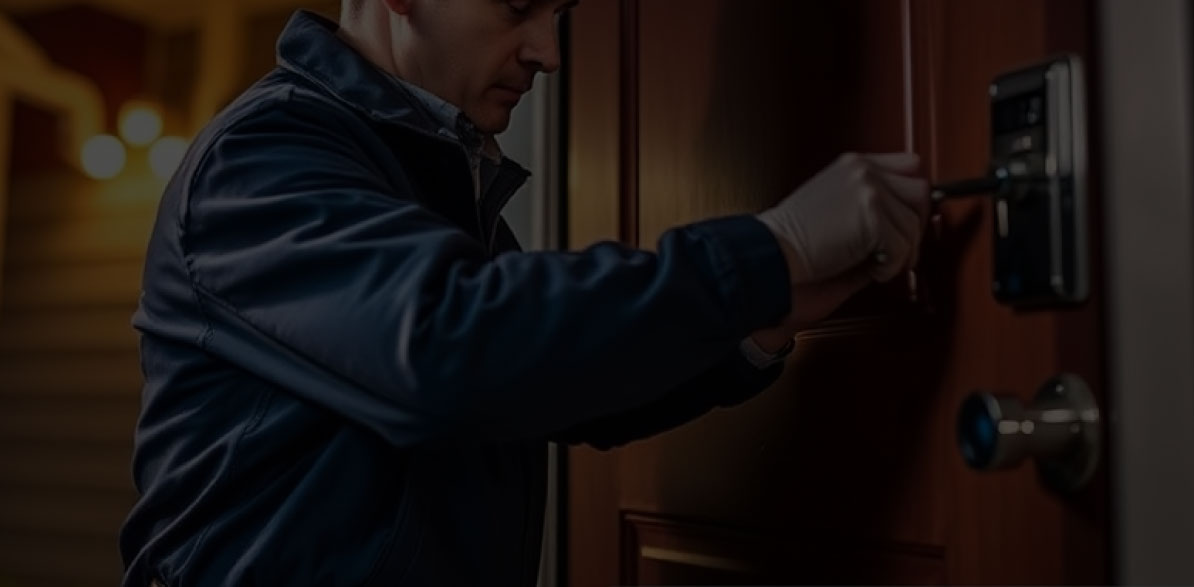
A professional locksmith carries specialist tools designed for exactly this job. The most common is a key extractor, a thin barbed or hooked tool that slides alongside the broken blade, catches the cuts, and draws the fragment out. Working with the lock's natural alignment, a skilled locksmith can usually retrieve the piece in minutes without drilling and without harming the cylinder. For a fast, non-destructive solution, our snapped key extraction in Birmingham service is designed to save your existing lock wherever possible.
When the lock itself needs attention
Sometimes the reason the key snapped is a faulty or seized mechanism. If the lock is worn out, the locksmith may recommend replacing the cylinder so it never traps a key again. Upgrading to a quality anti-snap, TS007 3-star or SS312 Diamond-rated cylinder also adds security against forced entry. If you decide to replace it, see our guidance on lock replacement and installation.
How to stop it happening again
- Apply a dry graphite or PTFE lubricant to the lock once or twice a year — avoid oil, which attracts grit.
- Replace keys that look thin, bent, or worn before they fail.
- If a key is stiff to turn, have the lock checked rather than forcing it.
- Always cut spare keys from the original, not a copy of a copy.
Stuck right now?
If half your key is in the lock and you cannot get in, resist the urge to dig at it. A quick call to a local locksmith is usually faster, cheaper, and far less damaging than improvising. MrSpeedy Locksmith covers Birmingham 24/7 from our base in Erdington and aims to extract broken keys without drilling wherever possible.