
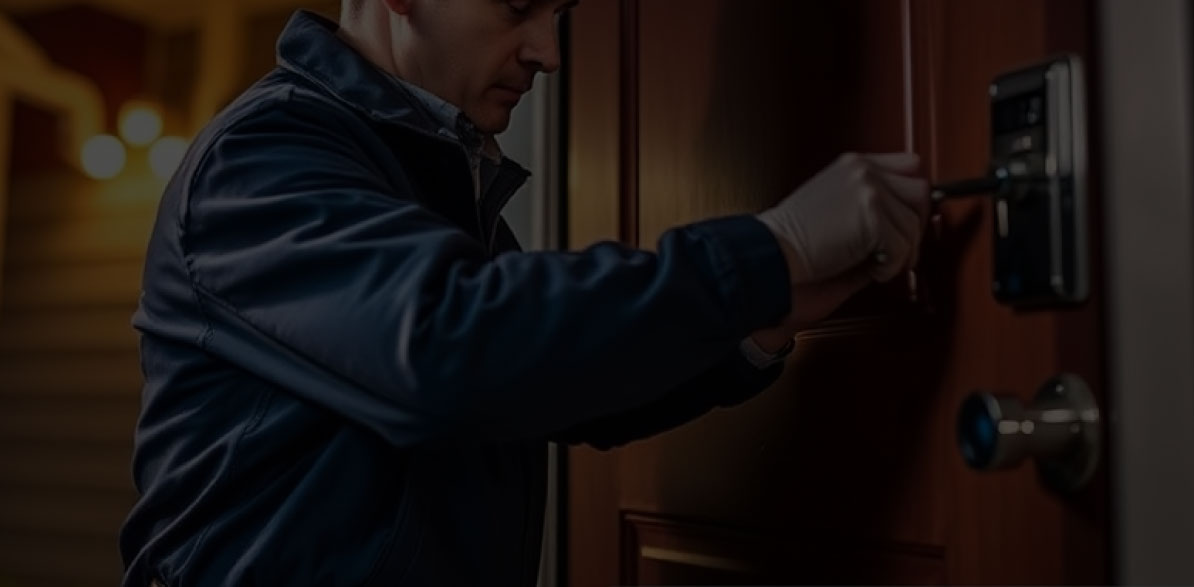
Landlord Lock Duties & Tenant Changeovers in the UK
For landlords, locks are about more than convenience — they affect tenant safety, insurance validity, and your legal responsibilities. This guide explains the key duties around locks and a practical approach to securing a property between tenancies.
Your responsibilities as a landlord
While exact requirements vary by tenancy agreement and insurer, landlords in the UK are generally expected to provide a property that is secure and safe to live in. In practice that means:
- Doors and windows that lock and function properly.
- Locks that meet any standards specified by the buildings insurer, often BS3621 for final exit doors.
- Prompt repair of faulty or damaged locks reported by tenants.
- Compliance with fire safety, which usually means exit doors can be opened from the inside without a key.
Why you should change locks between tenancies
When one tenant leaves and another arrives, you cannot be certain how many key copies are in circulation. Previous tenants, their friends, or former housemates may still hold keys. Changing or re-keying the locks at every changeover protects the incoming tenant and limits your liability. It is one of the simplest, most cost-effective security measures a landlord can take, and our landlord locksmith service in Birmingham can handle changeovers quickly between tenancies.
Re-key or replace?
You do not always need a brand-new lock. If the existing cylinder is good quality, a locksmith can often re-key it so old keys no longer work, which is cheaper than full replacement. If the lock is worn, non-standard, or below insurance grade, full lock replacement and installation is the better long-term choice — ideally with anti-snap TS007 3-star Euro cylinders on uPVC and composite doors.
A practical changeover checklist
- Inventory every key on the old tenancy and account for them in writing.
- Change or re-key external door locks before the new tenant moves in.
- Check window locks and patio doors are present and working.
- Confirm final exit doors can be opened from inside without a key, for fire safety.
- Test the uPVC multipoint mechanisms — lift the handle and turn the key smoothly with no force.
- Record the lock standards fitted (for example BS3621) for your insurance file.
- Hand over a clear set of labelled keys and keep a secure landlord copy.
Key control for HMOs and multiple properties
If you manage several units or a house in multiple occupation, consider a master-key or keyed-alike system so you can carry fewer keys while tenants keep their own private access. A locksmith can design a scheme that balances convenience with proper security and clear records of who holds what.
Stay on the right side of insurance
Many buildings insurance policies specify minimum lock standards. Fitting compliant locks and keeping a record of changeovers helps ensure a claim is not refused on a technicality. When in doubt, ask your insurer what they require and have a professional locksmith fit to that standard.
MrSpeedy Locksmith works with landlords and letting agents across Birmingham, offering fast tenant-changeover lock changes and insurance-grade upgrades from our Erdington base.